forum Culture
Et si on parlait Anglais.. what do you think? (Page 12)

zina je connais pas cette régle!! cest bizarre , en tout ('s) n'est jamais utiliser pour eviter la repetition
Je chercherais sur internet si je le trouve je le posterai Flower parsek les 's me rendent folle Cest ma phobie LOL
zina les ('s) sont jamais utilisés pour eviter la repitition , c'est une forme abregé , short form c'est tout
À Oui mon prof ma embrouiller batal je le déteste encore plus LOL
zina je le crois aussi ,vraiment crois moi j'ai trouvé pire des fautes enseignés au élèves,j'ai été meme obligé de chercher la profs qui enseigne ses eleves pour la prévenir des fautes qu'elle a enseigner au eleves!!! c grave
Hi girls, what's up?
I ve just waken up it is 7 in the morning here
dearrrrrrrrrrrrrrrrr rasiry missssssssss you girl
Hi flower what a warm welcome 🥰 you made my day
miss you too
Good morning rasiry
Hi Zina, how are you?
Dzirielle vous recommande
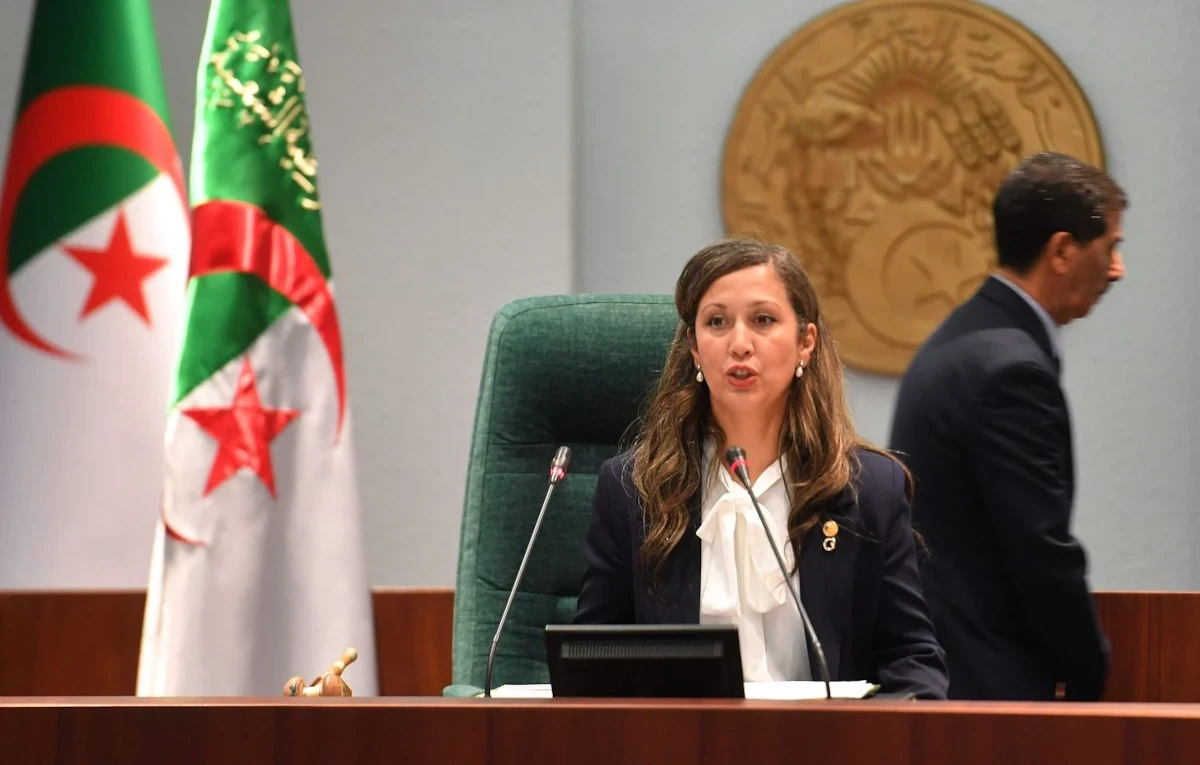
Khalida Boufedech, la voix qui manquait au sommet de l'État algérien
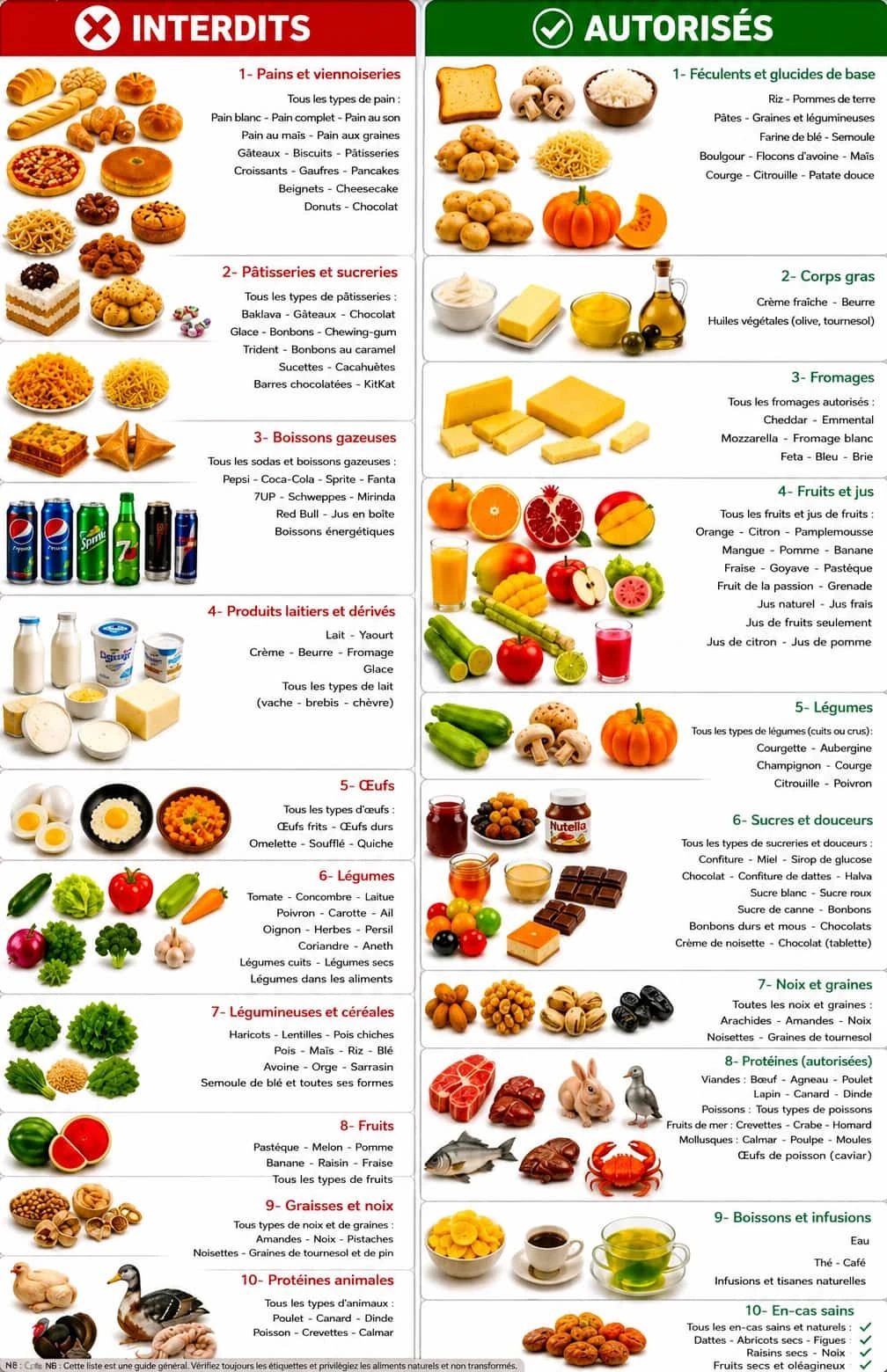
Le régime Tayyibat du Dr Al-Awadi : pourquoi il a séduit des millions de femmes algériennes, et ce que vous devez vraiment savoir
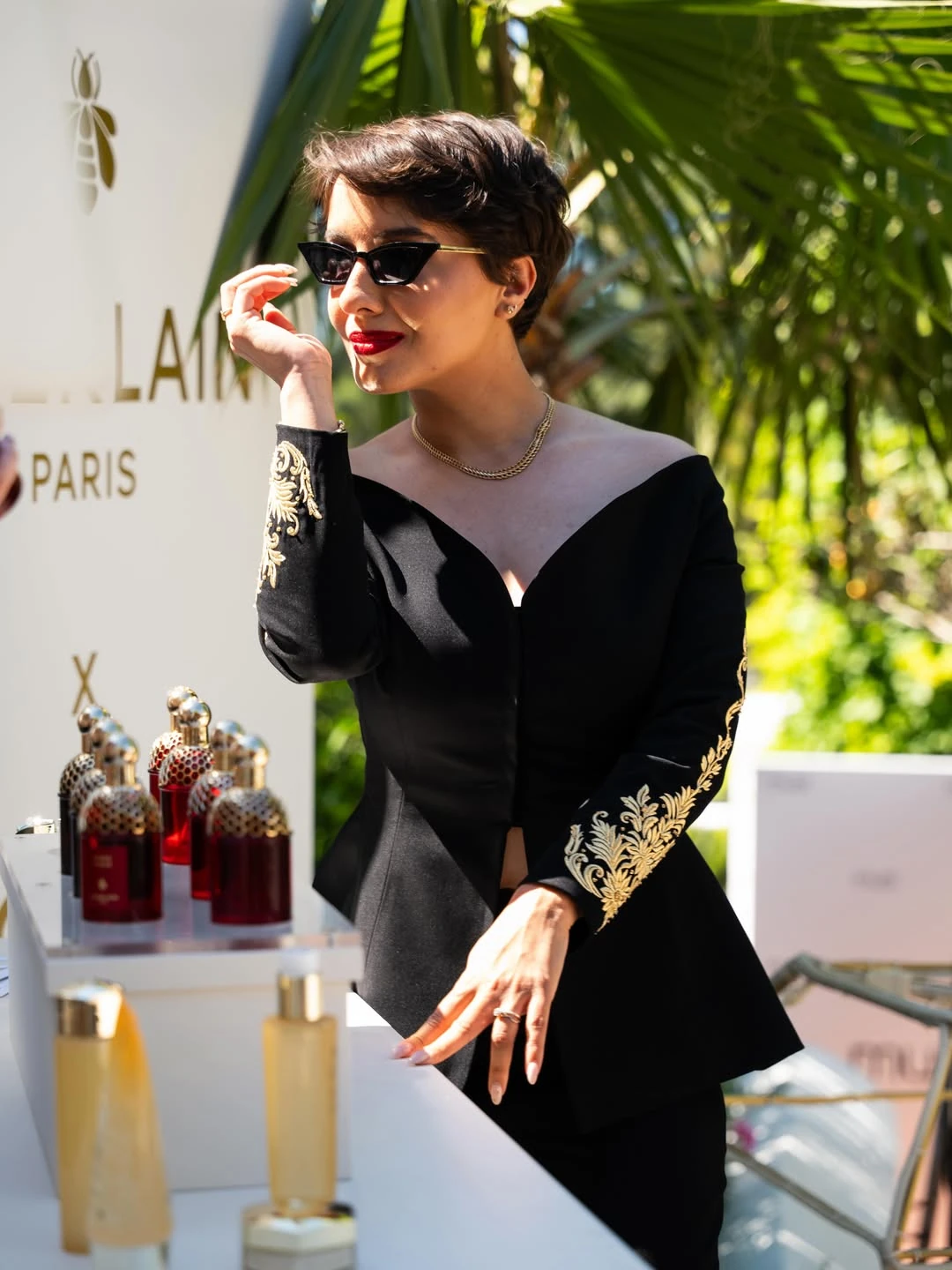
Quand le luxe olfactif rencontre l’élégance algérienne : une célébration de la Fête des Mères hors du temps
I m little tired but i m fine . And you ? How is life in australia i love this country
le s comme a dit flower c'est pour abreger les noms,les personne ou animaux dans des phrase qui contienne généralement 'of' et aussi pour éviter la répétitions d'adjective pour que sa sonne mieux dans la prononciation je te donne un exemple
the success of the company or the company's success
the name of this girl is zina / the girl's name is zina = nom + le s
pour la répétition:
This isn't my book. It's my brother's la on a éviter la répétition de book au
lieu de dire it is my brother book
mais avant il faut comprendre le sens de of dans la phrase ou la phrase elle meme
c'est pas une leçon de 5min aussi
the success of the company or the company's success
the name of this girl is zina / the girl's name is zina = nom + le s
pour la répétition:
This isn't my book. It's my brother's la on a éviter la répétition de book au
lieu de dire it is my brother book
mais avant il faut comprendre le sens de of dans la phrase ou la phrase elle meme
c'est pas une leçon de 5min aussi
I am fine too Zina thanks for asking.
Life is great in Australia, people are friendly and smily, gardens everywhere.
Now it is the start of spring really nice weather. You are welcome anytime
Merci jazmine Cest top
i need to go Girls and get ready to take my kids to school.
see you later
salam
Thank-you so much rasiry see you later bsx
good morning girls ! how are you today
sabicha come on here speak with me in english lol
hello girls 😘
my flower where are you elder sister 😭 ?
my flower where are you elder sister 😭 ?
oyé oyé 💅
how's life today girls?
(comment ça va aujourd'hui les filles?)
today, we'll be talking anatomy 🤣 the expression I want you to learn is "Break a leg"
(Aujourd'hui, nous allons parler anatomie, l'expression que je voudrais que vous appreniez : casse toi une jambe (traduction littérale)
this one is used to wish somebody good luck
(elle est utilisée pour souhaiter bonne chance à quelqu'un)
A: I'm having an important test today (je passe un test important aujourd'hui)
B: Break a leg (bonne chance)
how's life today girls?
(comment ça va aujourd'hui les filles?)
today, we'll be talking anatomy 🤣 the expression I want you to learn is "Break a leg"
(Aujourd'hui, nous allons parler anatomie, l'expression que je voudrais que vous appreniez : casse toi une jambe (traduction littérale)
this one is used to wish somebody good luck
(elle est utilisée pour souhaiter bonne chance à quelqu'un)
A: I'm having an important test today (je passe un test important aujourd'hui)
B: Break a leg (bonne chance)
Dzirielle vous recommande
thanks a lot sherryfa, but i have a question, is this expression formel or informel?
yeah i know this expression it's kind of a password between me and my girl friend ohh god i miss her so much hope she's ok
break a leg sherryfa
break a leg sherryfa
Mdrrrr casse toi une jambe pour dire pour chance . This is expression mdrrrrrrr
les français dise (merde) pour souhaitait bonne chance nn?
Nadia, hereafter the origin for better understanding:
"Break a leg" is sourced in superstition. It is a wish of good luck, but the words wish just the opposite.
It was once common for people to believe in Sprites. Sprites are actually spirits or ghosts that were believed to enjoy wreaking havoc and causing trouble.
If the Sprites heard you ask for something, they were reputed to try to make the opposite happen. Telling someone to "break a leg" is an attempt to outsmart the Sprites and in fact make something good happen. Sort of a medieval reverse psychology.
the expression is informal, the formal one being: Good Luck 😊
"Break a leg" is sourced in superstition. It is a wish of good luck, but the words wish just the opposite.
It was once common for people to believe in Sprites. Sprites are actually spirits or ghosts that were believed to enjoy wreaking havoc and causing trouble.
If the Sprites heard you ask for something, they were reputed to try to make the opposite happen. Telling someone to "break a leg" is an attempt to outsmart the Sprites and in fact make something good happen. Sort of a medieval reverse psychology.
the expression is informal, the formal one being: Good Luck 😊
Yes temecha its correct
How do you say " tu as raison " in english ?
How do you say " tu as raison " in english ?
you r right
Hi ladies!
I didn't know this idiom sherryfa, thanks for sharing!
Here are two others, they look very similar to the french ones :
All skin and bones: When talking about a person who is very thin or underweight.
(La peau sur les os)
Armed to the teeth : when someone, an army etc carries lots of weapons.
(Armé jusqu'aux dents)
I didn't know this idiom sherryfa, thanks for sharing!
Here are two others, they look very similar to the french ones :
All skin and bones: When talking about a person who is very thin or underweight.
(La peau sur les os)
Armed to the teeth : when someone, an army etc carries lots of weapons.
(Armé jusqu'aux dents)
you're right !! (you are right)
that's correct (c'est juste)
that's right (c'est juste)
that's correct (c'est juste)
that's right (c'est juste)
ok sherryfa, thank you for the explanation 💅 you are really excellent 💃 😊
Dzirielle vous recommande
ok sherryfa, thank you for the explanation 💅 you are really excellent 💃 😊
ok sherryfa, thank you for the explanation 💅 you are really excellent 💃 😊
hello girls,
my sissi I am here dear
hello sherryfa , I like so much this expression, when I say it I imagine it
🤣
the word of the day:
Hope :noun / verb
NOUN:
1.the feeling that what is wanted can be had or that events will turn out for the best: to give up hope.
2.a particular instance of this feeling: the hope of winning.
3.grounds for this feeling in a particular instance: There is little or no hope of his recovery.
4.a person or thing in which expectations are centered: The medicine was her last hope.
5.something that is hoped for: Her forgiveness is my constant hope.
VERB: (used with object):
6.to look forward to with desire and reasonable confidence.
7.to believe, desire, or trust: I hope that my work will be satisfactory.
my sissi I am here dear
hello sherryfa , I like so much this expression, when I say it I imagine it
🤣
the word of the day:
Hope :noun / verb
NOUN:
1.the feeling that what is wanted can be had or that events will turn out for the best: to give up hope.
2.a particular instance of this feeling: the hope of winning.
3.grounds for this feeling in a particular instance: There is little or no hope of his recovery.
4.a person or thing in which expectations are centered: The medicine was her last hope.
5.something that is hoped for: Her forgiveness is my constant hope.
VERB: (used with object):
6.to look forward to with desire and reasonable confidence.
7.to believe, desire, or trust: I hope that my work will be satisfactory.
hello girls,
my sissi I am here dear
hello sherryfa , I like so much this expression, when I say it I imagine it
🤣
the word of the day:
Hope :noun / verb
NOUN:
1.the feeling that what is wanted can be had or that events will turn out for the best: to give up hope.
2.a particular instance of this feeling: the hope of winning.
3.grounds for this feeling in a particular instance: There is little or no hope of his recovery.
4.a person or thing in which expectations are centered: The medicine was her last hope.
5.something that is hoped for: Her forgiveness is my constant hope.
VERB: (used with object):
6.to look forward to with desire and reasonable confidence.
7.to believe, desire, or trust: I hope that my work will be satisfactory.
my sissi I am here dear
hello sherryfa , I like so much this expression, when I say it I imagine it
🤣
the word of the day:
Hope :noun / verb
NOUN:
1.the feeling that what is wanted can be had or that events will turn out for the best: to give up hope.
2.a particular instance of this feeling: the hope of winning.
3.grounds for this feeling in a particular instance: There is little or no hope of his recovery.
4.a person or thing in which expectations are centered: The medicine was her last hope.
5.something that is hoped for: Her forgiveness is my constant hope.
VERB: (used with object):
6.to look forward to with desire and reasonable confidence.
7.to believe, desire, or trust: I hope that my work will be satisfactory.
ok sherryfa, thank you for the explanation 💅 you are really excellent 💃 😊
ok sherryfa, thank you for the explanation 💅 you are really excellent 💃 😊
my pleasure 😊
it's a pity, I had a great book with a large list of american idioms, it contained conversations and exercises along with the audio course… I lent it to someone who was learning English but forgot who the person was (poor memory) and the person didn't give it back 😢
I'd have loved to share it with you…. 😇
it's a pity, I had a great book with a large list of american idioms, it contained conversations and exercises along with the audio course… I lent it to someone who was learning English but forgot who the person was (poor memory) and the person didn't give it back 😢
I'd have loved to share it with you…. 😇
Sorry, i had a problem of connexion 😳
anyway, here is a link for you, you can download some books dealing with american idiomatic expressions:

Sherryfa jtadmire Allah y barek belle vie proffessionnelle
Et Flower bsahtek ntia tani tu es Good in english
Vous me motivé à apprendre
Et Flower bsahtek ntia tani tu es Good in english
Vous me motivé à apprendre
💬 À lire aussi dans ce forum
← Retour au forum Culture
Voir toutes les discussions de cette rubrique
Dans la même rubrique
Jay ala awdou : qui la chante ?
5 réponses
Poèmes de mon père ?
49 réponses
et vous quelle PUB vous aimez ?
82 réponses
Règles du forum
Restez bienveillante et respectueuse
Pas d'insultes ni de harcèlement
Pas de publicité ni de spam
Protégez votre vie privée
Lire la charte complète →
Derniers articles Dzirielle
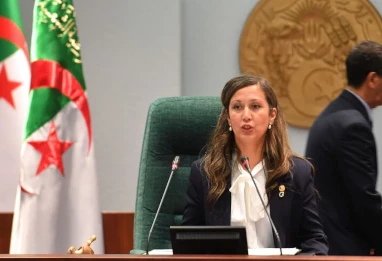
Khalida Boufedech, la voix qui manquait au sommet de l'État algérien
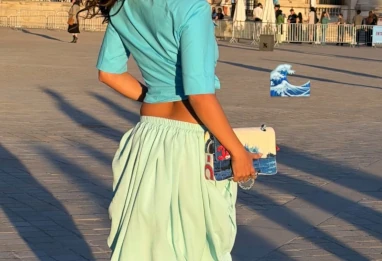
Léna Situations en seroual mdouwer au Louvre : quand le pantalon des Algéroises devient la pièce mode de l'été
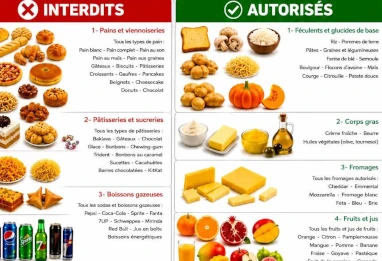
Le régime Tayyibat du Dr Al-Awadi : pourquoi il a séduit des millions de femmes algériennes, et ce que vous devez vraiment savoir